DM Workbench

About

Hi, I'm Eric.

I've been running games since I was nine. DM Workbench is the prep tool I always wanted at my own table.

Eric, smiling in sunglasses on a hillside above a white cliffside village.

My dad took me to my first live-action roleplaying game when I was nine. I started reading his Advanced Dungeons & Dragons book not long after, and my friends and I were playing at school by fifth grade. None of us wanted to read the rulebook, so I wrote my own homebrew system and we played that instead. Our teachers were not fans. This was during the Satanic Panic, and D&D between classes got us in trouble more than once.

Since then I've played and run a lot of systems: Vampire: The Masquerade, D&D 5E, Cyberpunk, Shadowdark, and plenty more. I've always preferred the DM's chair. The most fun I've had at a table has been introducing my four kids to the hobby. We've had some epic adventures together.
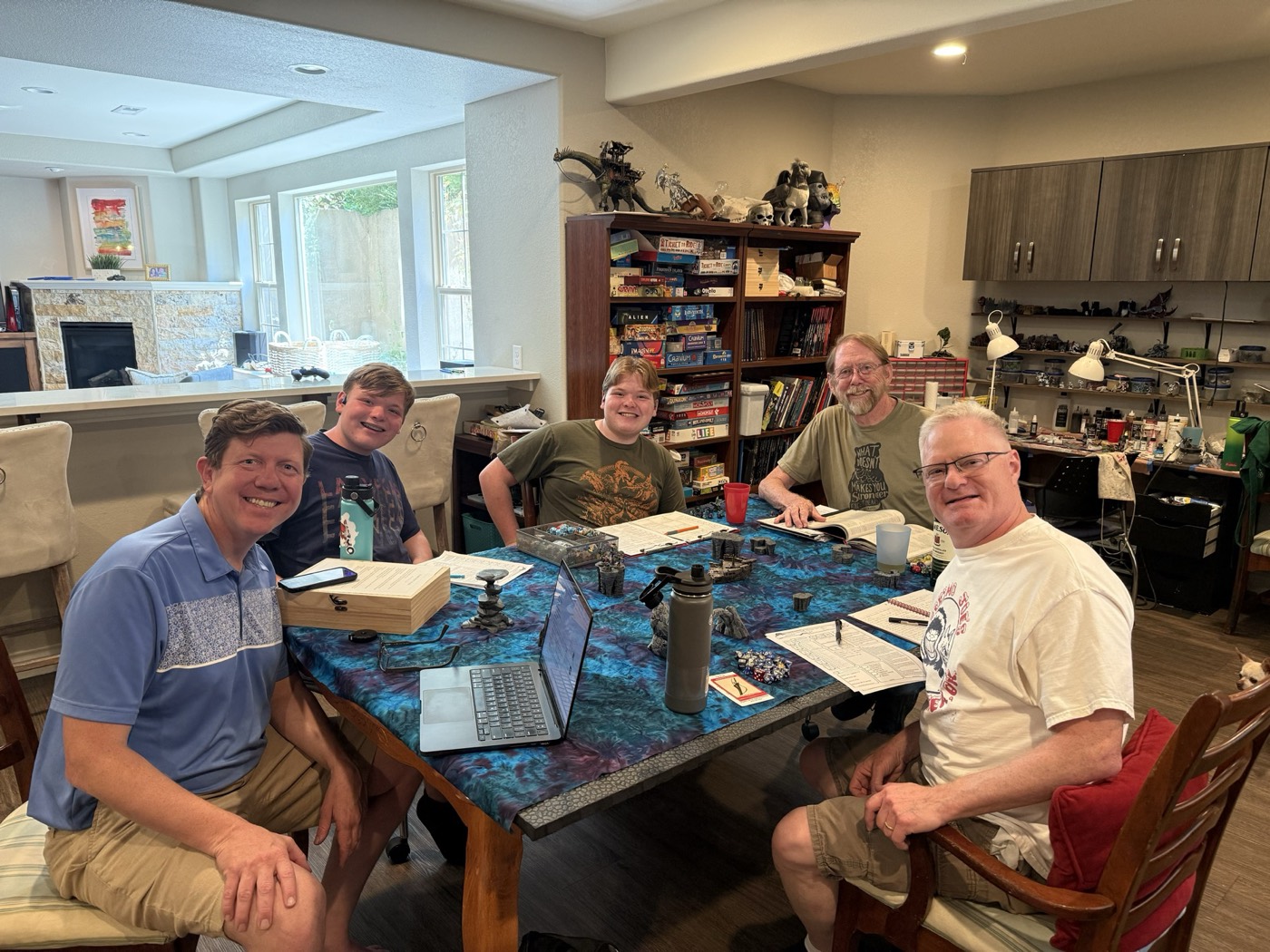
Five people around a game table at home, with a laptop, dice, character sheets and a bookcase of games behind them.
Game night at our table.

The notes problem

My notes were always the weak point. A long campaign turned into a pile of Word documents, and a year in I couldn't find the one thing I needed to plan the next session.

I looked at the other tools out there. Most of them feel like building a wiki, or a website, for your campaign. That's more work than I want to do to run a game.

What I wanted was a mental map. I've always liked mind-mapping software: laying ideas out one at a time keeps me in a creative flow, where a wiki-style questionnaire pulls me out of it. So I built DM Workbench. It's the prep tool I always wanted, and the one I use for my own games.

The table

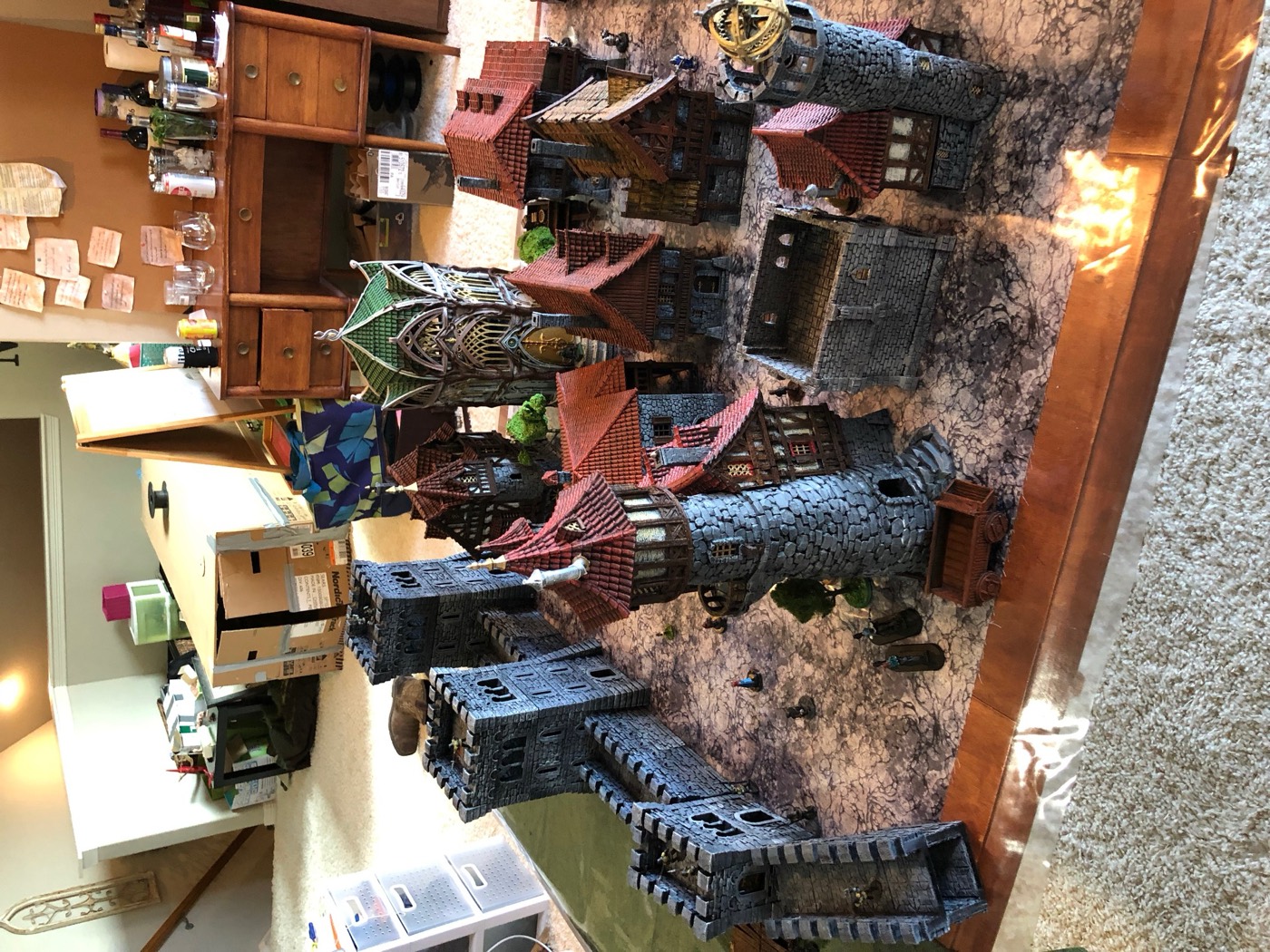
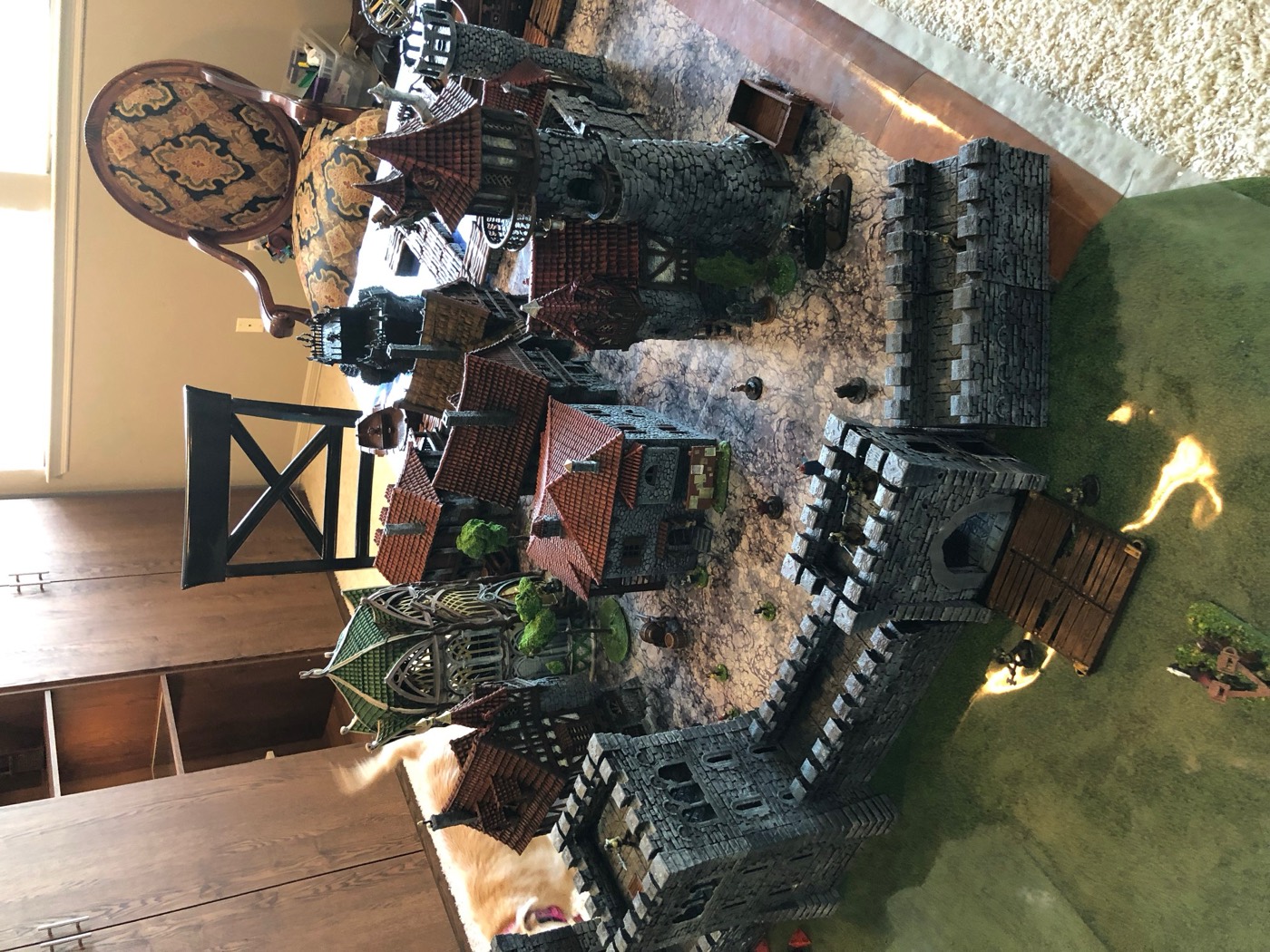
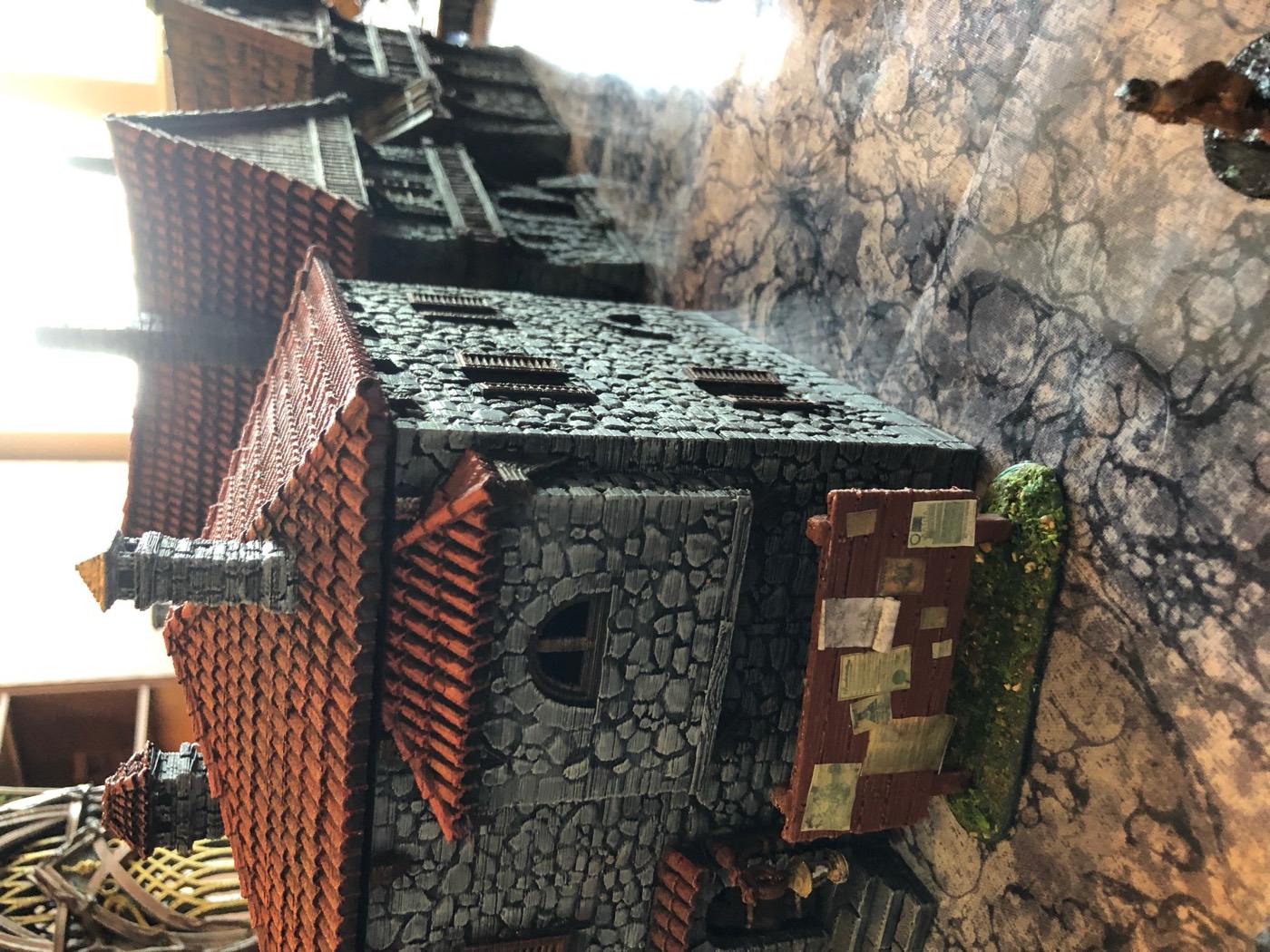
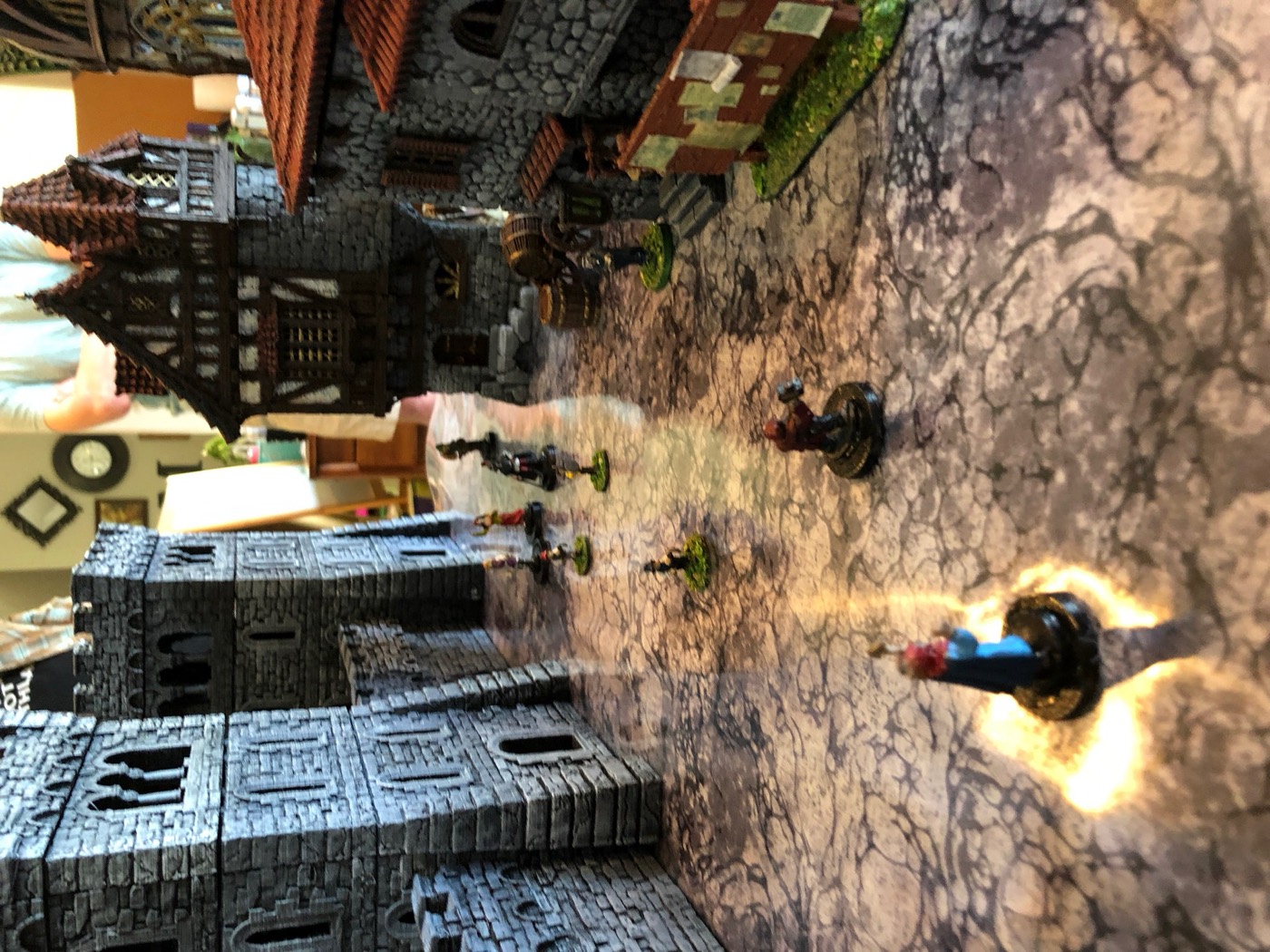
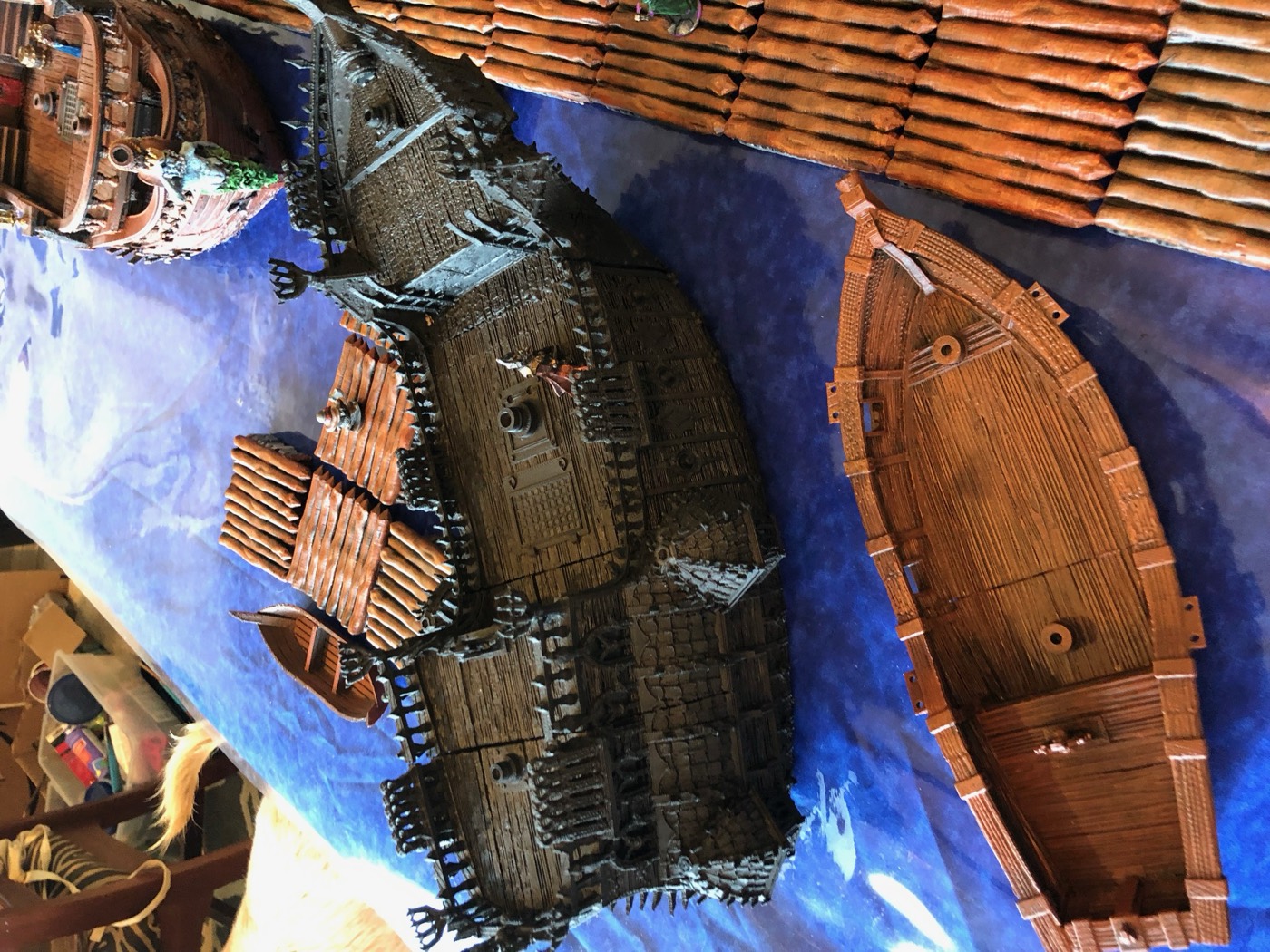
Most of what you see below is built, painted and stored in my house, which my family tolerates.

A wooden ship moored on blue water beneath a stone castle wall, built from painted tabletop terrain.
A ship at the quay, under the castle wall.
A walled town of painted terrain seen from above: towers, a gate and rows of roofs.
The walled town, from above.
Painted stone walls with a town of timber houses and a tower behind them.
Behind the walls.
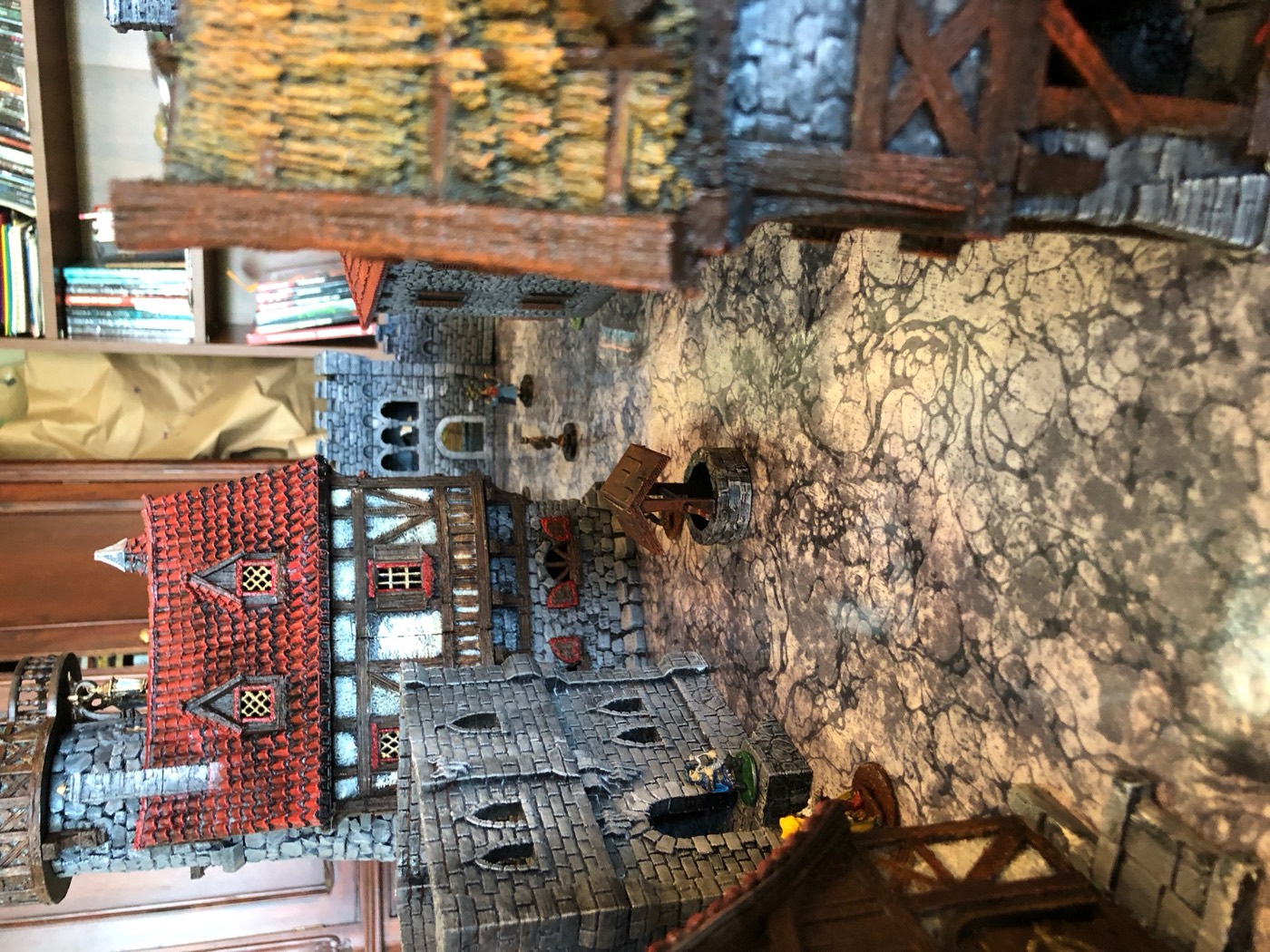
Timber-framed buildings with red tile roofs on a cobbled square, with miniatures in the street.
Timber and stone on the square.
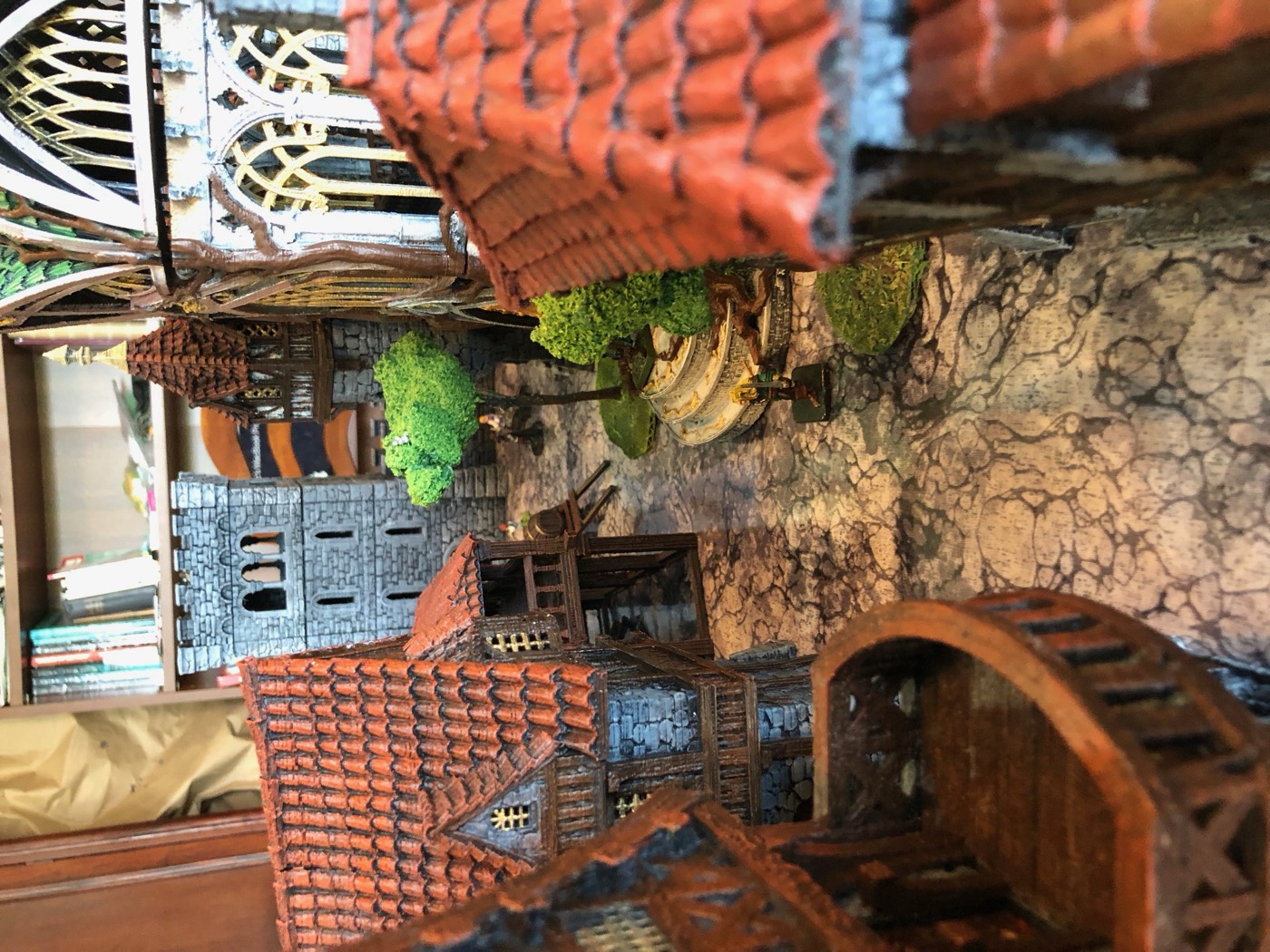
A cobbled lane between tall stone buildings leading to a tower, with a miniature walking it.
Down the lane to the tower.
A town of painted terrain laid out on cobblestone tiles, seen from above with miniatures placed for a game.
The town, set for a session.
A narrow street between a stone tower and a green-roofed hall with tall arched windows.
Between the tower and the green hall.
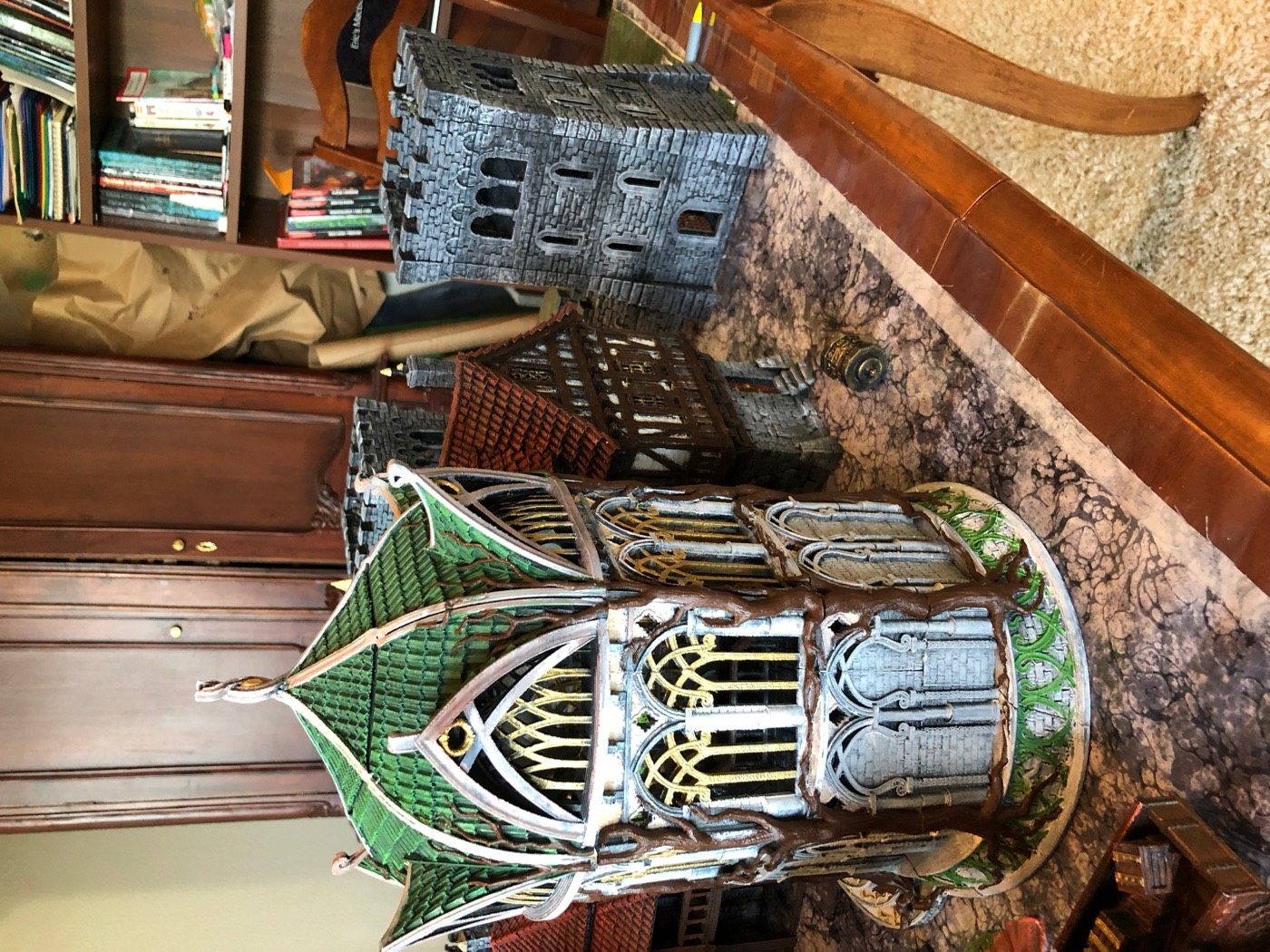
A green-roofed hall with arched windows beside a tavern and a stone keep on a wooden table.
The green hall, the tavern and the keep.
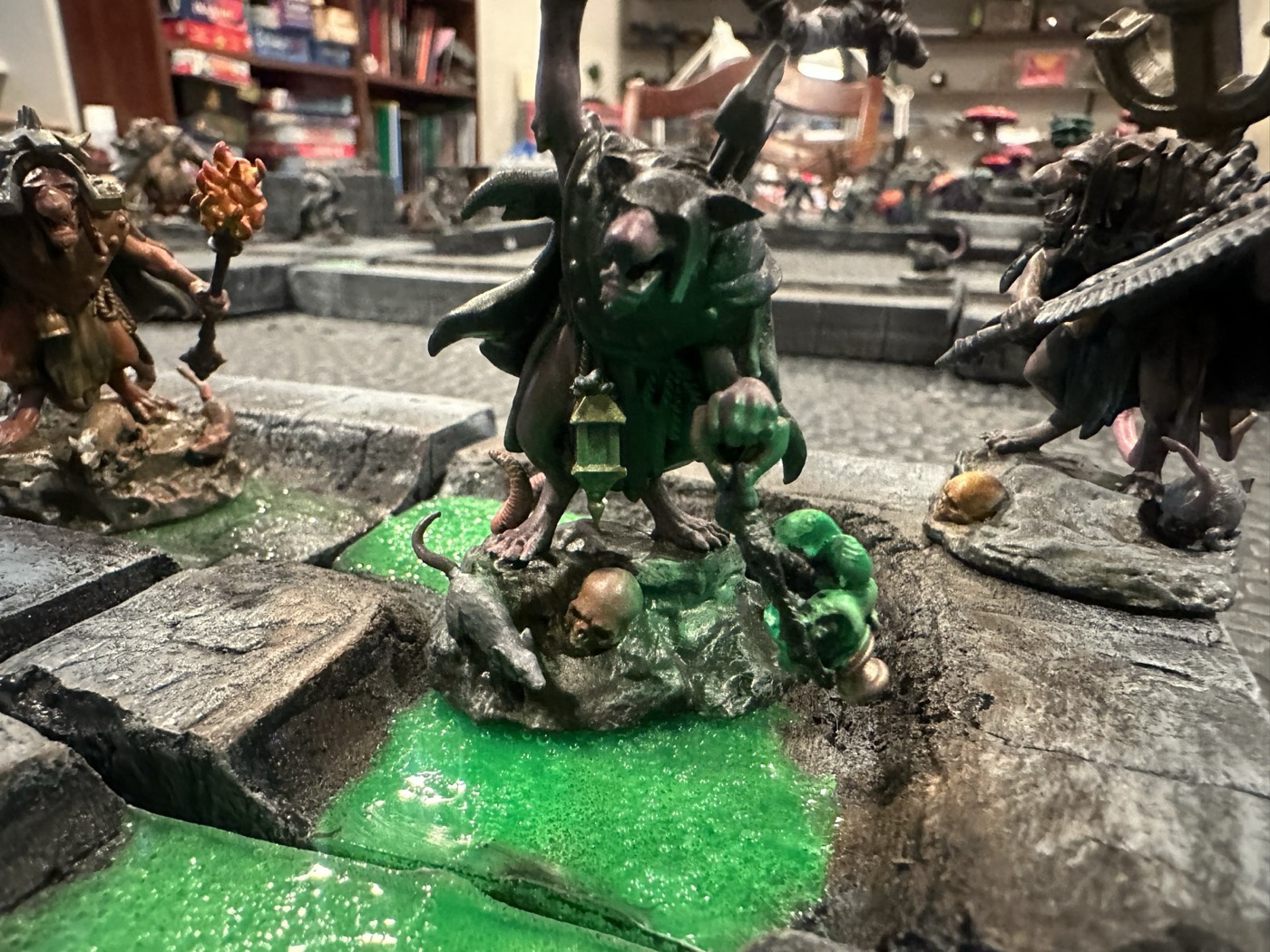
A painted wererat miniature holding a lantern, standing over a skull in a glowing green sewer.
A wererat, a lantern, and a sewer that glows.
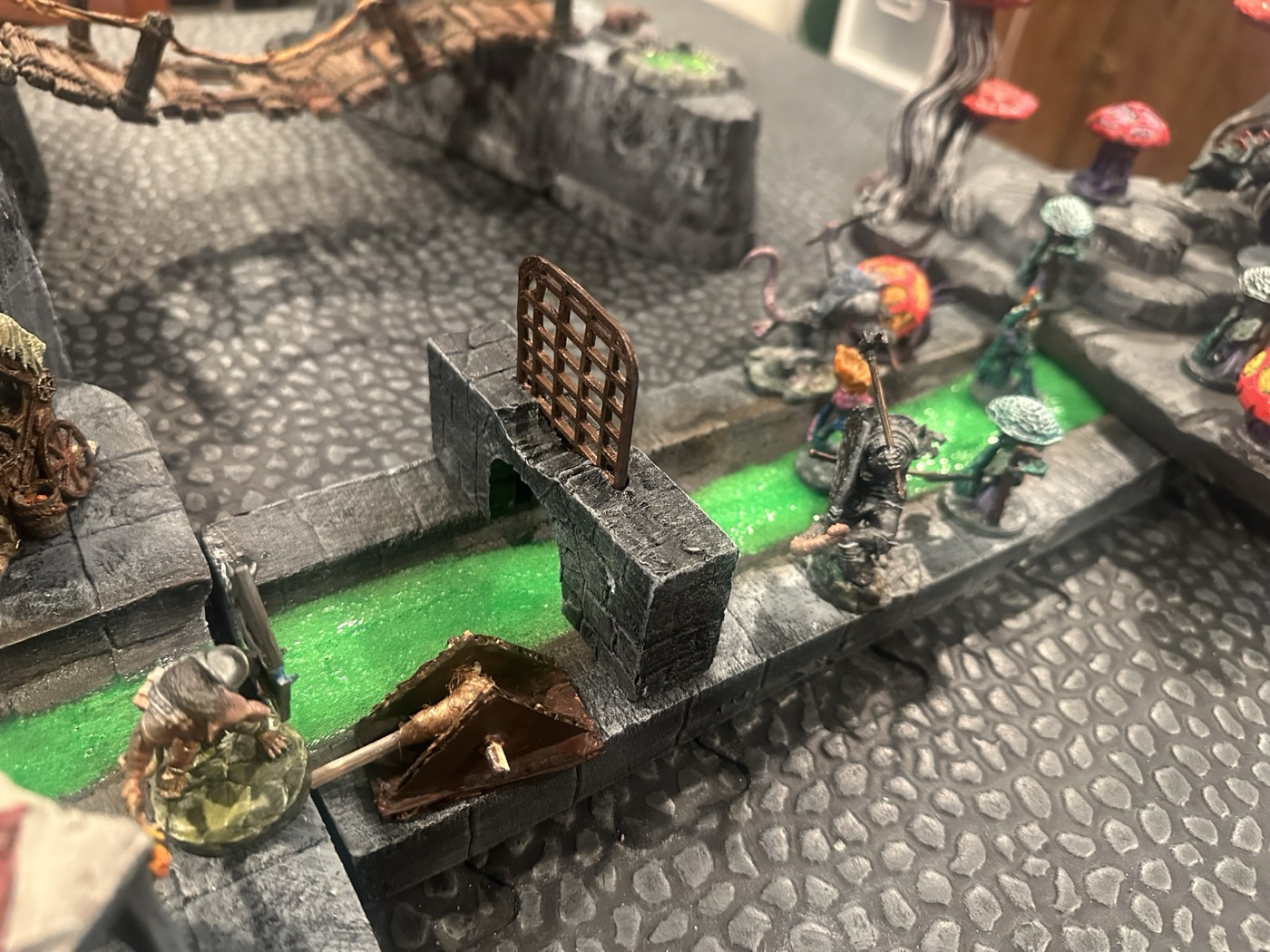
Miniatures of an adventuring party wading along a green sewer channel toward a grated arch, with a rope bridge and giant mushrooms behind them.
The party reaches the grate.
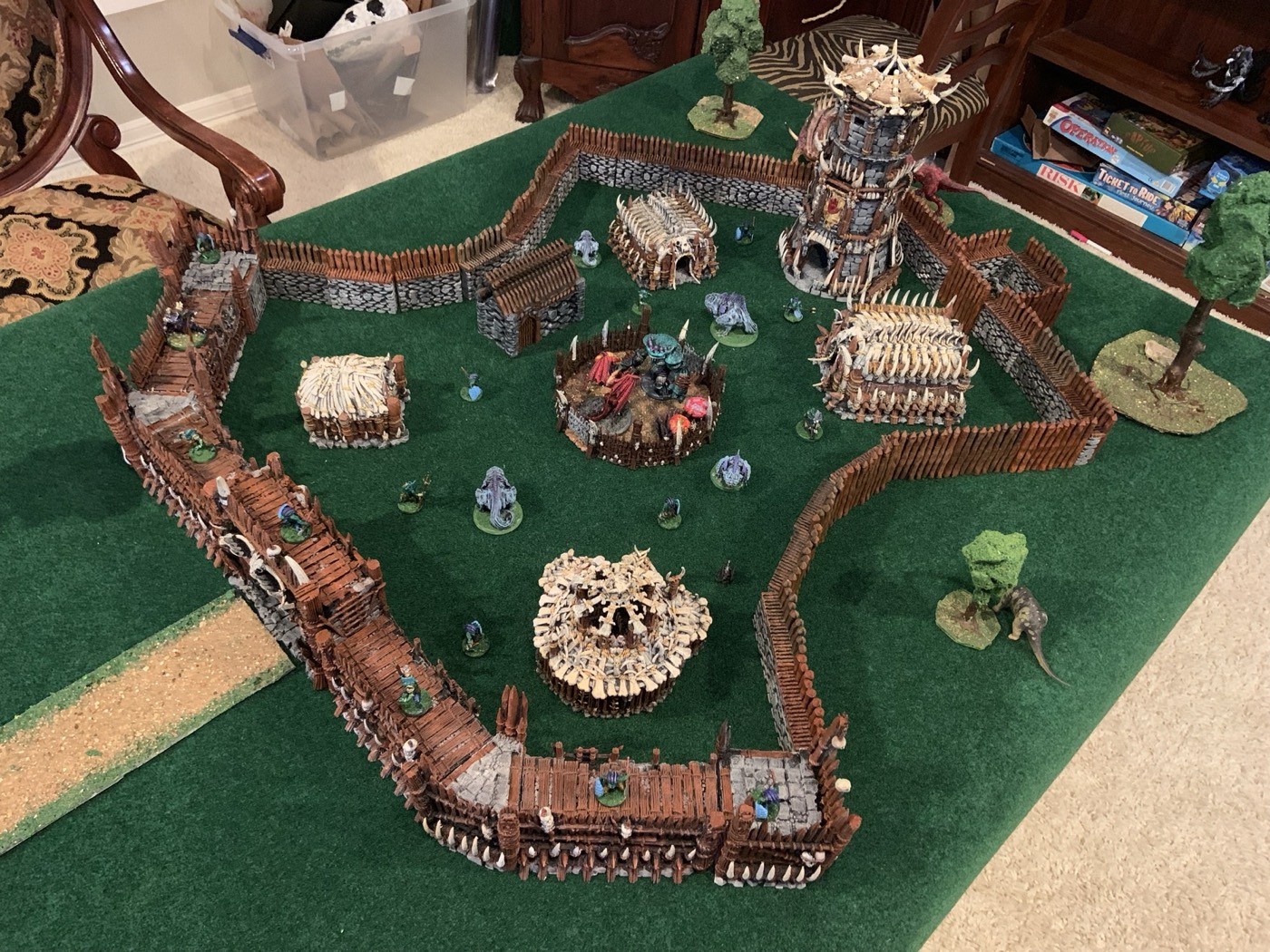
A tabletop camp seen from above: bone huts, a palisade wall, a watchtower and scattered miniatures on green felt.
An orc camp, bone huts and all.
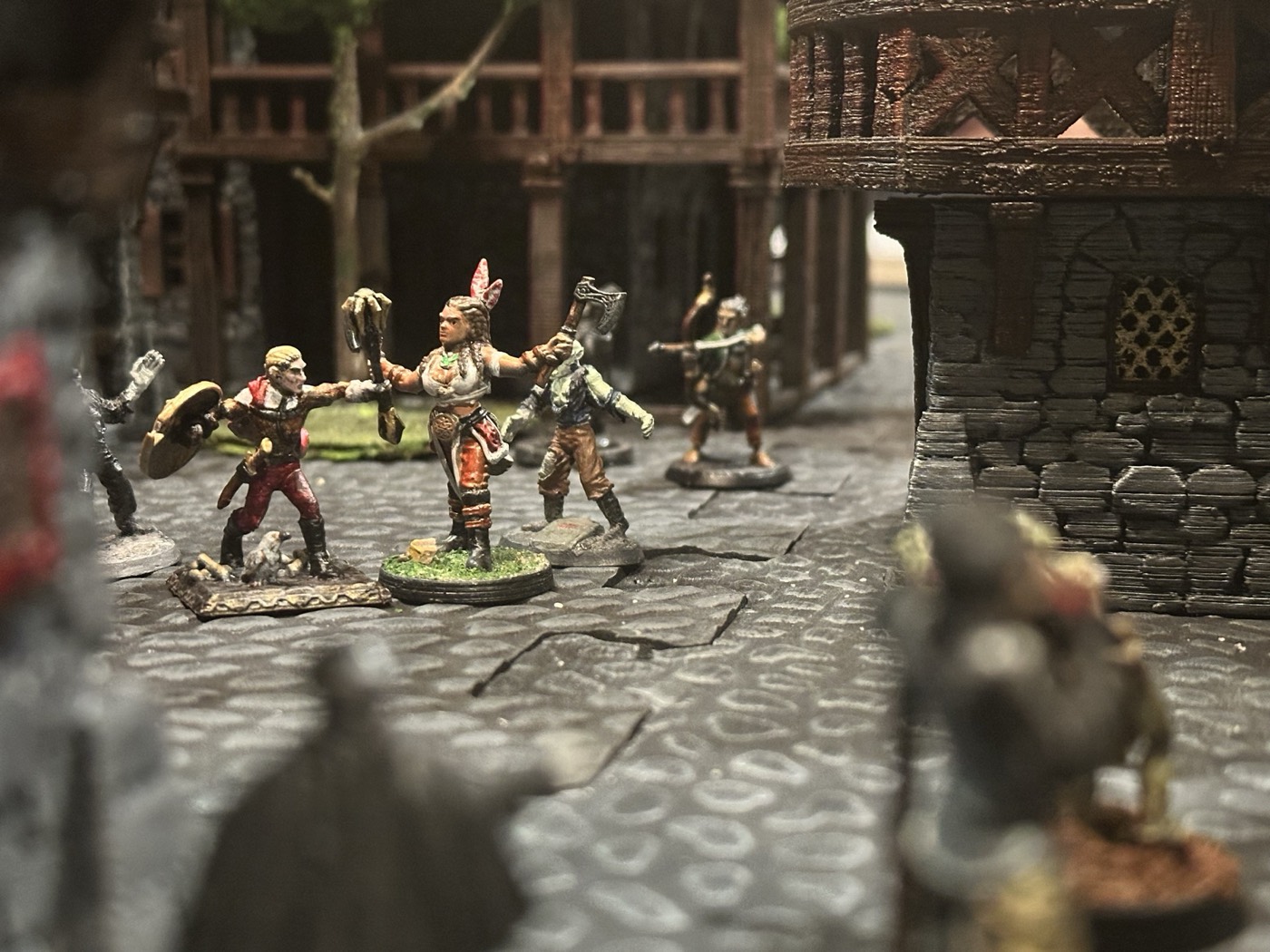
Four painted adventurer miniatures on a cobblestone street, weapons drawn, between timber buildings.
The party in the street, about to make a bad decision.

What happens next

I'm excited for you to try it, and I want to hear what you'd like added. I'm working on it constantly. Use the Feedback button inside the app. I read every one.

I look forward to hearing about the worlds and adventures you build with it.

Start free